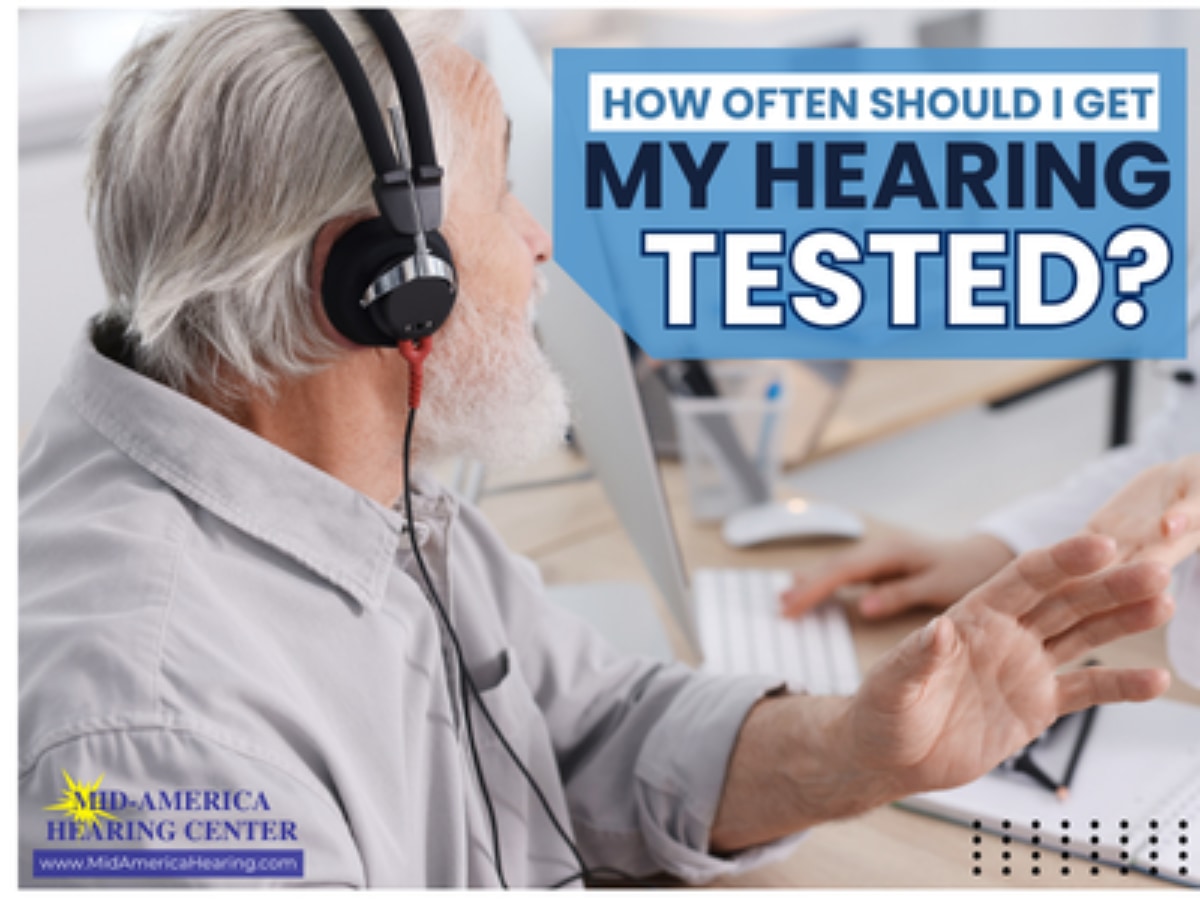

How frequently you should have your hearing checked depends on several factors—your age, symptoms, lifestyle, occupation, and whether you’ve already been diagnosed with hearing loss.
For adults age 60 and older, it’s generally recommended to get a baseline hearing test and then have your hearing rechecked every few years. While medical organizations don’t always agree on the exact age to begin routine testing or how often to repeat it if you have no symptoms, age remains one of the leading risk factors for hearing loss. According to the National Institute on Deafness and Other Communication Disorders, nearly one-third of people between the ages of 65 and 74 experience some degree of hearing loss.
If you’re under 60, you may still need regular hearing screening, especially if you’re frequently exposed to noise levels above 85 decibels. Long-term exposure to loud sounds can gradually damage hearing, often without you realizing it. People at higher risk for noise-induced hearing loss include those working in construction, manufacturing, agriculture, music, emergency services, or the military.
Regardless of your age or job, if your hearing doesn’t feel “normal,” it’s important to get it evaluated. Sometimes the cause is temporary, such as earwax buildup, congestion from a cold, or fluid in the ear. However, hearing loss can also affect middle-aged and younger adults due to genetics, certain medical conditions, medications, or other health factors—even without noise exposure.
You should schedule an appointment if you notice any of the following symptoms:
- Difficulty understanding speech, especially in noisy environments
- Frequently asking others to repeat themselves
- Ringing or buzzing in the ears (tinnitus)
- Turning up the volume on the TV or radio higher than others prefer
- Feeling like people are mumbling or speaking too softly
- Trouble hearing on the phone or during group conversations
If you experience sudden hearing loss in one ear, treat it as a medical emergency and seek care immediately.
If You’ve Already Been Diagnosed
If you’ve previously been diagnosed with hearing loss, regular follow-up testing is important. Hearing loss is dynamic; it can change gradually over time. Sometimes the changes are subtle enough that you don’t notice them right away, even though family members or friends might. In most cases, hearing loss is progressive, meaning it worsens over time.
Your hearing care provider can recommend how often you should return for re-evaluation. However, if you notice any changes in your hearing—such as increased difficulty understanding speech or changes in clarity—you should schedule an appointment sooner.
What About Hearing Aids?
If you wear hearing aids, regular checkups are essential to ensure they are functioning properly and programmed to match your current hearing levels. As your hearing changes, adjustments may be needed to optimize performance. In some cases, you may benefit from upgrading to newer technology.
Most hearing aids last between three and seven years. Because hearing aid technology continues to advance, newer devices often provide clearer sound quality, better background noise reduction, and improved connectivity options.
If you use cochlear implants or a bone-anchored hearing system, follow your specialist’s recommendations for testing and device maintenance. These devices may have different follow-up schedules for reprogramming and evaluation.
Hearing Test vs. Hearing Screening
A comprehensive hearing test is performed when you or your healthcare provider suspects hearing loss based on symptoms. During the exam, you’ll typically sit in a soundproof booth and listen to a series of tones and speech sounds through headphones. Your responses are measured and recorded on an audiogram, which shows the type and degree of hearing loss, if present.
A hearing screening, on the other hand, is a quicker evaluation performed when there are no obvious symptoms. Screenings may be conducted in workplaces, health fairs, primary care offices, or even through online tools and questionnaires. Screening helps identify potential concerns but does not replace a full diagnostic exam.
If you work in a high-noise environment, you may be required to participate in regular hearing screenings as part of a workplace hearing conservation program.
Why Early Treatment Matters
Addressing hearing loss early is extremely important—not just for communication, but for overall health.
Untreated hearing loss has been linked to cognitive decline, memory challenges, and an increased risk of dementia. When the brain has to work harder to interpret sounds, it can strain cognitive resources. Over time, reduced auditory stimulation may also impact how the brain processes information.
Hearing loss can also affect emotional well-being. Struggling to follow conversations often leads to frustration, social withdrawal, and feelings of isolation. Many people begin avoiding gatherings or group settings because communication feels exhausting.
The good news is that treating hearing loss can make a significant difference. Hearing aids do more than amplify sound; they help keep the brain actively engaged. Research suggests that properly fitted hearing aids may help support cognitive function, improve communication, and enhance overall quality of life.
The earlier hearing loss is identified and treated, the better the long-term outcomes. Waiting often allows communication difficulties to worsen and can make adjustment to hearing devices more challenging later.
Take Action Early
Hearing loss often develops gradually, making it easy to overlook. Many people wait years before seeking help—often because they don’t realize how much they’re missing.
If you’re over 60, work in a noisy environment, or have noticed any changes in your hearing, scheduling a hearing test is a smart step. And if you already have hearing loss or wear hearing devices, staying consistent with follow-up care ensures you continue hearing your best.
Taking care of your hearing today can protect your communication, relationships, brain health, and overall quality of life for years to come.
At Mid-America Hearing Center, we offer straightforward and affordable solutions starting at just $495.00 that are designed to improve your hearing. In addition, we provide complimentary hearing exams and a risk-free 60-day trial on many of our hearing aids. This allows you to experience the transformative benefits of enhanced hearing firsthand, ensuring you make an informed decision as you embrace a new auditory journey. When you are ready, give us a call and make an appointment to see what option will work for you and improve your day-to-day life.