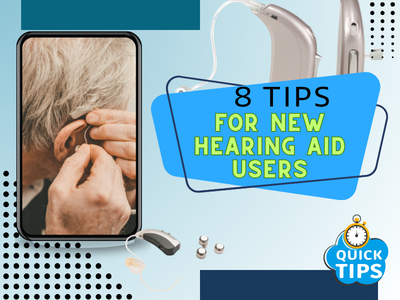

Hearing loss affects more people than you might think. While it’s often associated with aging, it can also result from illness, injury, or long-term noise exposure. And while hearing aids don’t “cure” hearing loss, they do something incredibly powerful—they help you reconnect with the sounds, conversations, and moments that matter most.
Because hearing again isn’t just about sound—it’s about connection.
If you’re new to hearing aids, it’s normal to feel a mix of excitement and uncertainty. The good news? With a little patience and the right approach, your world will start to sound familiar again—sometimes even better than you remember.
How Hearing Aids Work (Simple Breakdown)
Modern hearing aids are small, smart, and surprisingly powerful. They:
- Capture sound with a tiny microphone.
- Process and customize it using advanced digital technology.
- Deliver clearer, more useful sound directly into your ear.
- They’re designed specifically for your level of hearing loss—helping you hear speech more clearly and stay engaged in everyday life.
How to Adjust to Your New Hearing Aids
Getting used to hearing aids doesn’t happen overnight—but every day gets easier. These tips will help you feel more comfortable, faster:
1. Expect a Little Awkwardness at First
- It’s completely normal. Just like new glasses, your brain and ears need time to adjust. The sensation fades quickly—and comfort follows.
2. Start Slow, Then Build Up
- Begin wearing your hearing aids in calm, familiar environments. Gradually increase your wear time each day to help your brain adapt naturally.
3. Begin in Quiet Spaces
- At first, everyday sounds may seem louder than expected—like a ticking clock or running water. That’s your brain “relearning” sounds it hasn’t processed in a while.
4. Trust the Technology
- Today’s hearing aids are smart. They automatically adjust to different environments—so resist the urge to constantly change the volume.
5. Rediscover “Normal” Sound Levels
- You may be used to louder TVs or radios. With hearing aids, things can return to a more natural level. Ask a loved one to help you find what sounds “just right.”
6. Practice Conversations in Small Groups
- Start with familiar voices. This helps your brain reconnect speech with tone, facial expressions, and body language—making conversations feel natural again.
7. Keep Using Captions (For Now)
- Subtitles aren’t a crutch—they’re a training tool. They help your brain match sounds with words as you adjust.
8. Take Care of Your Hearing Aids
- Protect your investment.
- Store them safely.
- Keep them clean.
- Turn them off when not in use.
- Schedule regular checkups.
- A Better Way to Hear—and Live.
Adjusting to hearing aids is a journey—but it’s one that leads to something truly meaningful: being present again.
- Hearing laughter clearly.
- Joining conversations without hesitation.
- Catching the little things you didn’t realize you missed.
If you’ve been struggling with hearing loss—or you’re just starting your journey—getting the right support makes all the difference. You don’t have to miss another moment.
At Mid-America Hearing Center, we believe taking the first step should feel easy and pressure-free. That’s why we offer free, comprehensive hearing tests to give you clear answers about your hearing health—without any obligation to purchase. Because this isn’t about selling devices. It’s about restoring connection, and if you do need hearing support, we don’t stop at fitting you with technology. We provide continued aftercare and follow-up testing to ensure your hearing aids are working exactly as they should—so you feel confident every step of the way.
Take control of your hearing health today and call us to schedule your complimentary hearing test.